Where the Nashville Number System Came From
A short history of the studio shorthand that lets any band change keys on the fly
Born in a Nashville studio, late 1950s
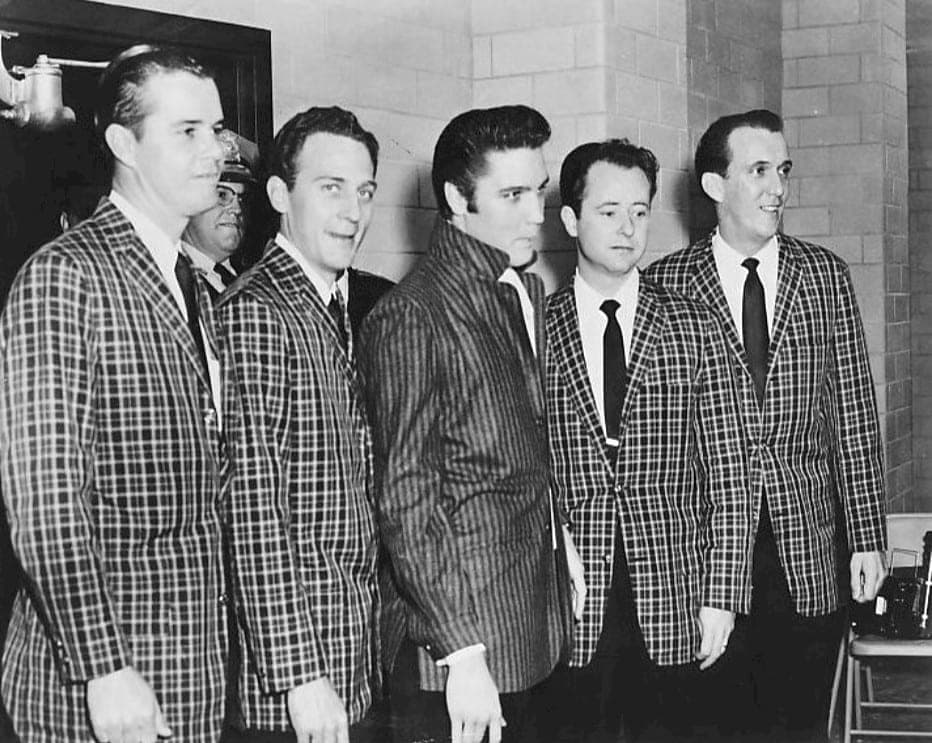
The system is generally credited to Neal Matthews Jr., the second tenor of The Jordanaires — the vocal quartet best known for backing Elvis Presley. Working session after session, Matthews needed a faster way to write down harmony and chord parts that didn’t lock the arrangement into one key.
His answer was simple: stop writing chord names, and write the number of each chord within the key instead. A part sketched as “1 – 4 – 5” stayed correct no matter what key the singer needed that day — the band just re-centered on the new “1” and kept playing.
That one move — numbers instead of letters — is the whole idea, and it’s still exactly what you’re doing every time you read a chart on this site.
How it spread across Music Row
A shorthand only becomes a language when a whole room agrees to use it. That’s what happened in Nashville’s studios. The city’s first-call session players — the group later nicknamed the “A-Team” — picked up the numbers because they solved a daily problem: cut a song, then cut it again a step lower for a different vocalist, with no time to rewrite anything.
Among them was Charlie McCoy, the most-recorded harmonica player in history and a fixture on countless Nashville sessions. Players like McCoy carried the number charts from date to date until they became the normal way to put a song in front of a band on Music Row — a standard that outlived the era’s reel-to-reel tape.
Because the notation lives above any one key or instrument, it travelled easily. What started as a vocal-group convenience became the default chart for country, then for session work of every kind.
Why it’s still everywhere — especially on Sunday
The problem the Jordanaires had is the exact problem a worship team has now: a leader calls a key change between songs — or mid-set — and everyone has to follow instantly. Numbers make that a non-event. The chart doesn’t change; only the key you count from does.
That’s why the same shorthand a studio quartet invented for Elvis records is now taped to keyboards and clipped to music stands in churches every weekend, and why session musicians still learn it first. Sixty years on, it’s the fastest way to tell a band what to play without telling them what key they’re in.
Found this useful? This chart is free and made by a working musician. Support it to keep it that way.
Put the numbers to work
Pick a key and read every chord by number — the same trick, in your hands.